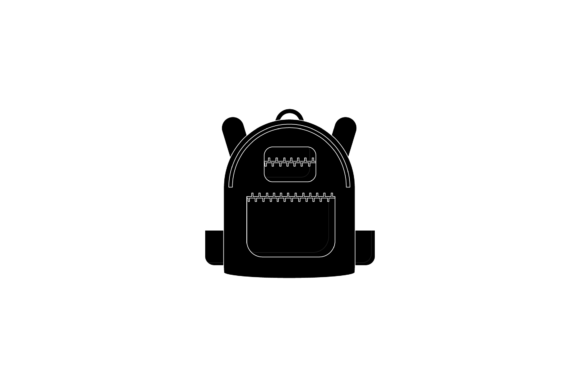
Back to School Boomerang Silhouette Graphics
As a graphic designer with years of experience working on branding, marketing visuals, and digital design assets, I often find myself evaluating new creative resources for real client projects. The Back to School Boomerang Silhouette is one such design asset that caught my attention—not just for its aesthetic appeal but for its practicality in a variety of design scenarios. This review explores how this freebie can be integrated into professional work and what considerations should be made before using it for commercial purposes.
First Impressions: A Visual Mood That Speaks Volumes
The Back to School Boomerang Silhouette immediately evokes a nostalgic yet modern vibe. Its clean lines and dynamic shape create a sense of motion, making it ideal for themes centered around education, growth, and renewal. The silhouette’s simplicity allows it to blend seamlessly into different design styles, from playful handmade brand identities to more structured editorial layouts. It feels like a versatile tool that can elevate a project without overpowering the overall visual narrative.
This design asset is particularly suited for small businesses, Etsy shops, and print-on-demand sellers looking to add a touch of creativity to their product listings or social media graphics. Its 1920px x 1280px canvas size ensures it’s suitable for both digital and print applications, offering flexibility in how it’s used.
Real-World Applications: Where It Shines and Where It Falls Short
In practice, the Back to School Boomerang Silhouette works well as a decorative element in a range of design projects. For example, in logo design, it could serve as a subtle emblem that adds depth without competing with typography. In packaging design, it could act as a background pattern or a focal point on product labels, especially for items targeting students or educational institutions.
It also excels in social media graphics, where its bold form can draw attention in Instagram posts, Pinterest pins, or Canva templates. As a sticker design or t-shirt design element, it provides a unique visual anchor that stands out without being overwhelming. In a Cricut project, its vector format (assuming it includes an AI file) would allow for precise cutting, making it a great choice for printable wall art or custom merchandise.
However, there are limitations. In minimalist branding or corporate design, the silhouette may feel too busy or unrefined. Similarly, when placed in crowded layouts or low-contrast backgrounds, it risks losing clarity. Designers should avoid using it in situations where visual hierarchy needs to be extremely clean or where the focus must remain on text-heavy content.
Practical Designer Notes: What to Check Before Using
Before incorporating the Back to School Boomerang Silhouette into a client project, several key factors should be considered. First, test it in black and white to assess its tonal balance and ensure it remains visually engaging without color. Next, check how it performs on both light and dark backgrounds—this is crucial for web design and social media graphics.
Preview the design at various sizes to confirm that it scales well without losing detail. Place it on real mockups, such as product boxes or website banners, to see how it interacts with other elements. If it includes PNG transparency, inspect the edges to ensure they’re crisp and clean. For SVG or vector formats, verify that the file is editable and scalable without distortion.
Compare it against different font styles—serif, sans serif, script, and display fonts—to see how it complements or contrasts with typography. Finally, always confirm the commercial license to ensure it can be used for client projects without legal issues.
Best Use Cases: When It Adds Value
The Back to School Boomerang Silhouette is most effective in large layout areas, hero graphics, and product mockups where its visual impact can be fully appreciated. It also works well as a decorative accent in themed collections, campaign visuals, or packaging details. For printable designs, it offers a polished look that enhances the overall aesthetic of a project.
It’s a strong choice for supporting brand elements in seasonal campaigns, especially those tied to back-to-school or educational themes. As part of a design bundle, it could complement other assets like illustrations, clipart, or sublimation designs, creating a cohesive visual language for a brand or product line.
When to Use It Carefully: Avoiding Common Pitfalls
While the Back to School Boomerang Silhouette has many strengths, it’s not a one-size-fits-all solution. In small sizes, it may lose definition, making it unsuitable for tiny icons or buttons. In crowded layouts, it can become distracting rather than enhancing the design. Low-contrast designs or minimalist branding may not benefit from its presence, as it could disrupt the intended simplicity.
For professional corporate materials, where clarity and consistency are paramount, this asset might not align with the desired tone. Instead, opt for cleaner, more restrained visuals that reflect the professionalism of the brand.
Impact on Branding and Design Quality
When used appropriately, the Back to School Boomerang Silhouette can enhance readability, visual trust, and audience engagement. Its dynamic form adds energy to a design, making it more memorable and emotionally resonant. It supports brand consistency by offering a recognizable visual motif that reinforces the identity of a business or campaign.
However, misusing it can lead to a cluttered or unprofessional appearance. Designers must ensure it aligns with the overall visual hierarchy and doesn’t compromise the clarity of the message. By carefully selecting where and how to use it, the asset can contribute to a more polished and cohesive final result.
Conclusion: A Useful Addition to Any Creative Toolbox
The Back to School Boomerang Silhouette is a valuable graphic design asset for designers working on handmade businesses, small business branding, or seasonal campaigns. Its versatility, combined with a clear understanding of its strengths and limitations, makes it a useful tool in a wide range of creative projects. Whether used in social media graphics, packaging design, or printable wall art, it has the potential to elevate a design and make it more engaging for the target audience.